
Power – the ability to influence the thoughts, beliefs, and actions of others – can be achieved through many means. These range from simple coercion, through manipulation and persuasion, to inspiration via many other variations. Ultimately it is about relationships, and therefore comes down more often to emotion than rational calculation.
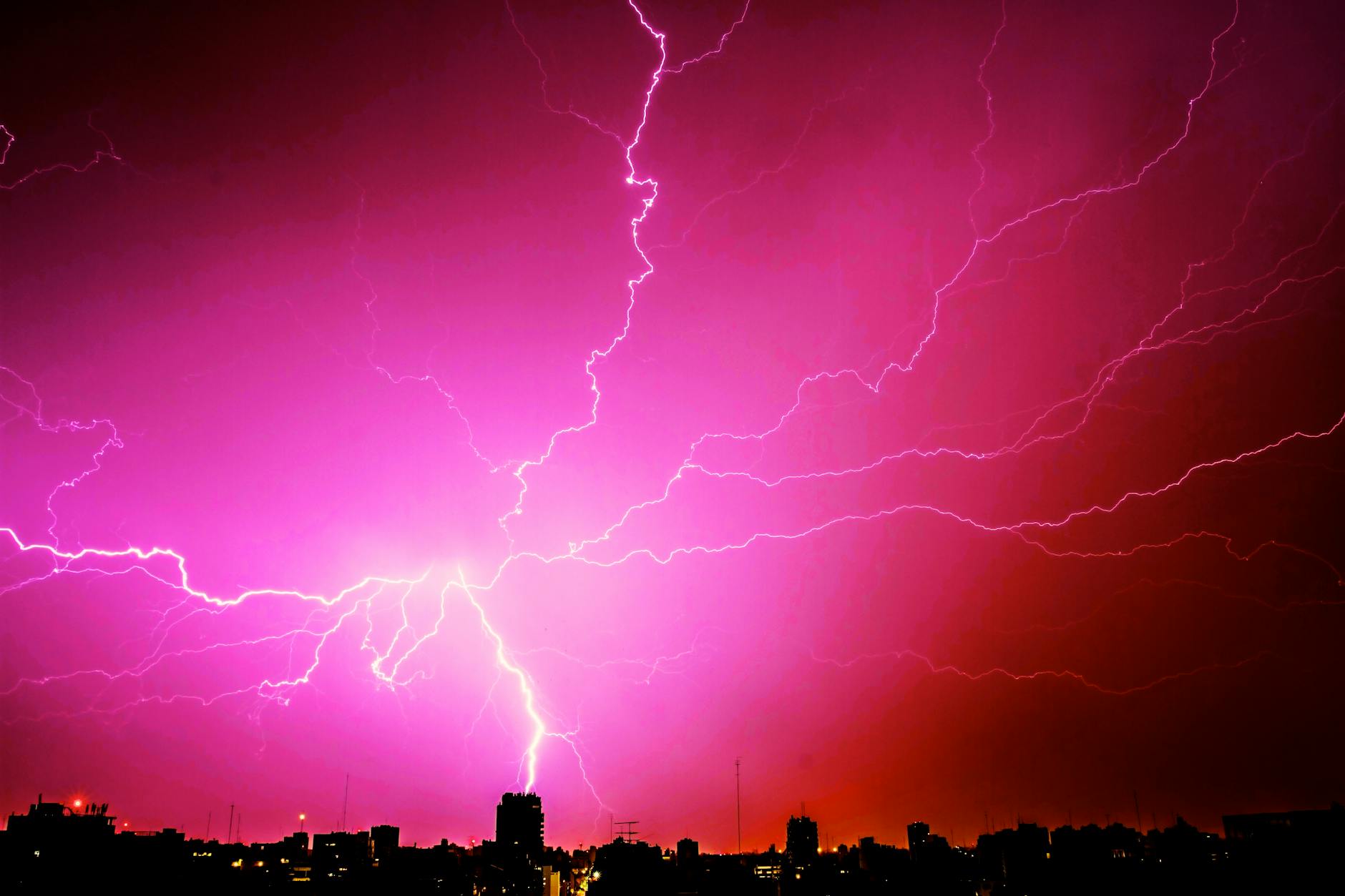
Power is very often at the centre of the study of politics, analysing who has it, where it comes from how it is exercised and how it is constrained.
Power is an important element in the analysis of the arts, on many levels. The power a painting or a piece of music has to move us; the power an artist or patron has (or does not have) to express themselves freely and to control the impact their expression has on others; the power dynamics portrayed within a work of art, whether intended as propaganda, or a less conscious reflection of the creator’s world view; the “soft power” influence that influential art (and artists) can have on internal and external perceptions of a place and its people.
Power is essential to many analyses of history, not least in assessing the role that the exercise of power by individuals and groups had (or speculatively could have had) on shaping events.
Power is fundamental to many sociological analyses, because power is so often a big part of understanding why societies are structured as they are.
Our aim is for this Theme to encompass all of these elements of Power and many others. While we certainly hope to see many works within traditional disciplines, we’re also excited by the possibility of interdisciplinary books that come at some of the core questions of power from innovative angles.
Over time we’re going into more detail about our vision for each of our themes, click below to see the most recent updates on our Power Theme.
Subscribe below to receive all of our updates as they are published.
